

Invisalign in Coquitlam
Request Your Invisalign Appointment
Interested in clear aligners for crowded, crooked, or spaced teeth? Call (604) 942-6282 or complete the form to request an Invisalign assessment.
Invisalign Dentist in Coquitlam
Crowding, spacing, crooked teeth, and some bite problems may affect dental alignment as well as overall smile appearance. Invisalign uses a planned series of removable clear aligners to gradually move selected teeth into new positions.
Coast Dental Coquitlam offers Invisalign treatment in Coquitlam for teens and adults whose orthodontic needs are suitable for clear aligner therapy. Before treatment begins, the dentist evaluates the teeth, gums, bite, and alignment to determine whether Invisalign is appropriate.
Treatment is individualized. The number of aligners, frequency of aligner changes, monitoring schedule, and overall treatment time depend on the type and complexity of tooth movement required and how consistently the aligners are worn.
What Is Invisalign?
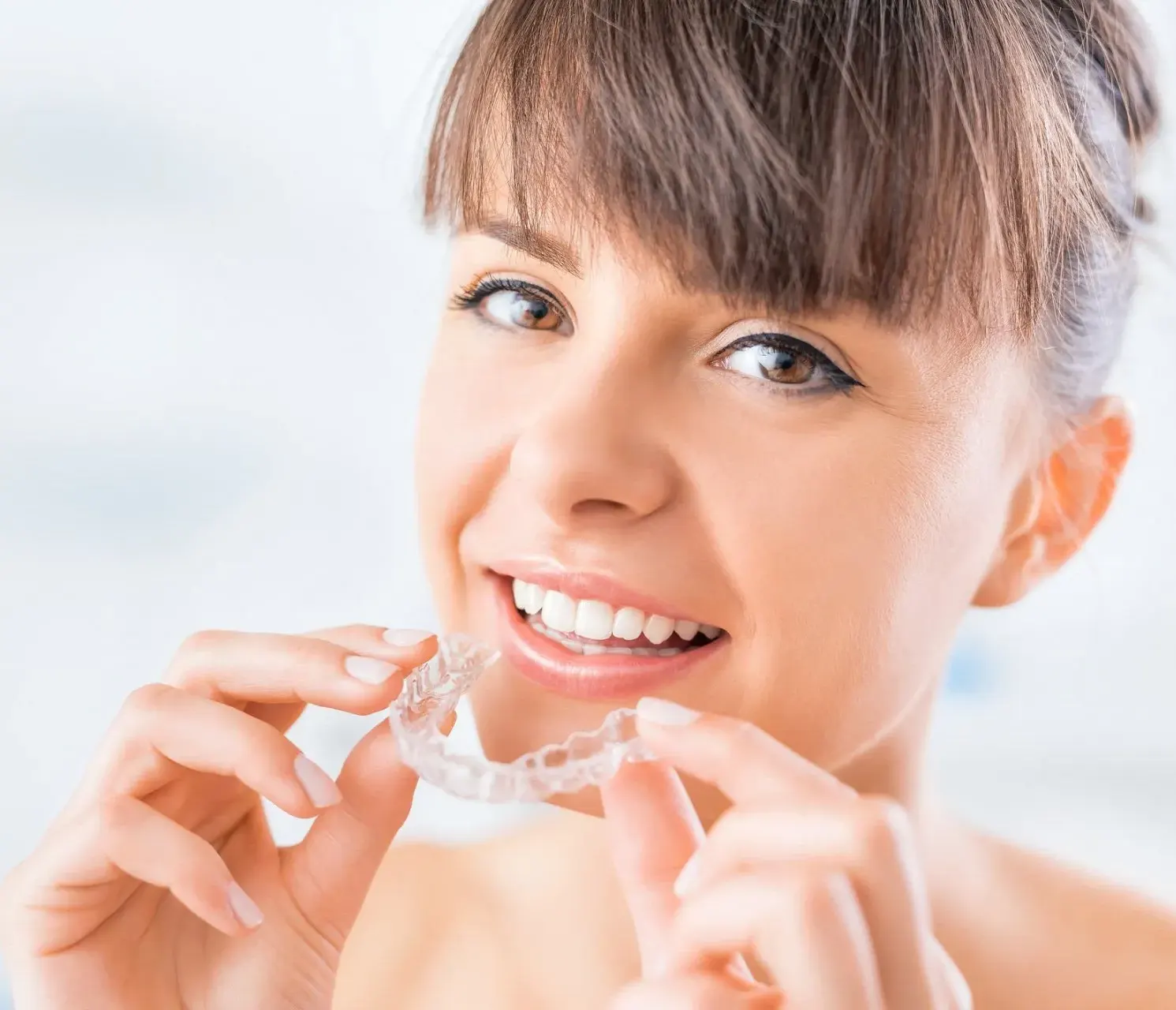
Invisalign clear aligners are removable orthodontic trays designed to move teeth gradually according to a digitally planned treatment sequence. Each aligner applies controlled forces to selected teeth before the patient progresses to the next tray according to the dentist's instructions.
Unlike traditional braces, clear aligners do not use fixed brackets and wires. Patients remove their aligners for meals and drinks and when completing their regular brushing and flossing routine. Consistent wear is important to keep treatment progressing according to plan.
What Orthodontic Problems Can Invisalign Treat?
Depending on the individual case, Invisalign may be considered for:
- Crowded or crooked teeth
- Gaps between teeth
- Certain overbites
- Certain underbites
- Crossbites
- Open bites
- Mild to moderate bite misalignment
- Selected rotated teeth
- Minor orthodontic relapse after previous treatment
Not every type of malocclusion can be managed predictably with clear aligners alone. More complex tooth movements or significant jaw and bite discrepancies may require another orthodontic approach or referral for specialist assessment.
Who Is a Good Candidate for Clear Aligners?
Invisalign for adults and teens may be considered when the teeth and gums are healthy, and the orthodontic concern can be appropriately managed with aligners.
Good candidates also need to be able to wear and care for their aligners as instructed, remove and replace them appropriately, maintain good oral hygiene, attend progress appointments, and use retainers after active treatment.
Untreated cavities or active gum disease may need attention before orthodontic treatment begins. Invisalign is also not appropriate for every orthodontic concern. Some complex cases may be better treated with braces, another orthodontic technique, or specialist care.
An Invisalign consultation allows the dentist to evaluate these factors before recommending treatment.

What Happens During Invisalign Treatment?
Treatment begins with an orthodontic assessment of your teeth, gums, alignment, and bite. Records may include photographs, a digital dental scan, and dental X-rays when clinically required.
The information gathered is used to plan the intended tooth movements and determine whether clear aligner treatment is appropriate.
If you proceed with treatment, the process may include:
- Initial assessment: The dentist evaluates your teeth, gums, bite, and orthodontic concerns.
- Digital records: Scans, photographs, and required X-rays help document your starting position.
- Treatment planning: Planned tooth movements and treatment goals are reviewed.
- Aligner delivery: You receive your first aligners and instructions for wearing and caring for them.
- Attachments when needed: Small tooth-coloured attachments may be placed on selected teeth to help create specific movements.
- Progress visits: The dentist monitors tooth movement and checks how the aligners are fitting.
- Refinements: Additional aligners may be recommended if further movement is needed.
- Retention: Retainers are provided after active treatment to help maintain the new tooth positions.
Patients may receive several sets of aligners at an appointment and move to subsequent trays according to their prescribed schedule. Total treatment time varies based on case complexity, wear time, biological response, and whether refinement aligners are required.
Attachments and Other Treatment Aids
Some Invisalign cases need additional techniques to support planned tooth movement.
Attachments are small tooth-coloured composite shapes placed temporarily on selected teeth. They give the aligners additional surfaces to grip when certain movements are required.
In some cases, a small amount of space may need to be created between teeth. This can involve interproximal reduction, where a carefully controlled amount of enamel is reshaped between selected teeth when clinically appropriate.
Orthodontic elastics may also be used in some cases to support bite correction. The dentist will explain whether any of these steps are part of your individual treatment plan.
Invisalign vs. Traditional Braces
Both clear aligners and traditional braces move teeth, but they use different approaches.
With Invisalign, patients wear removable transparent aligners instead of the fixed brackets and wires used with traditional braces. Although aligners are removed for meals, brushing, and flossing, they should be worn for the amount of time recommended by your dentist.
Braces may be preferable for certain complex orthodontic movements, while clear aligners may be appropriate for many mild to moderate alignment and bite concerns. Some Invisalign cases also require attachments, elastics, or additional refinement trays.
Neither option is automatically faster. Treatment length depends on the orthodontic problem, treatment goals, biological response, patient cooperation, and whether further correction is required.
How to Wear and Care for Invisalign Aligners
Follow the wear schedule prescribed by your dentist. Aligners generally need to remain in place for most of the day and should only be removed as directed.
During treatment:
- Remove aligners before eating.
- Remove them for drinks other than water unless instructed otherwise.
- Brush and floss before putting clean aligners back in.
- Clean the trays according to your dentist's instructions.
- Avoid hot water, which may distort the aligner material.
- Store removed aligners in their protective case.
- Do not move ahead to another aligner without instructions.
Contact the clinic if an aligner is lost, cracked, damaged, or no longer fits as expected. The dentist can advise whether you should continue with the current tray, use another aligner, or attend an assessment.
Retainers and Life After Invisalign
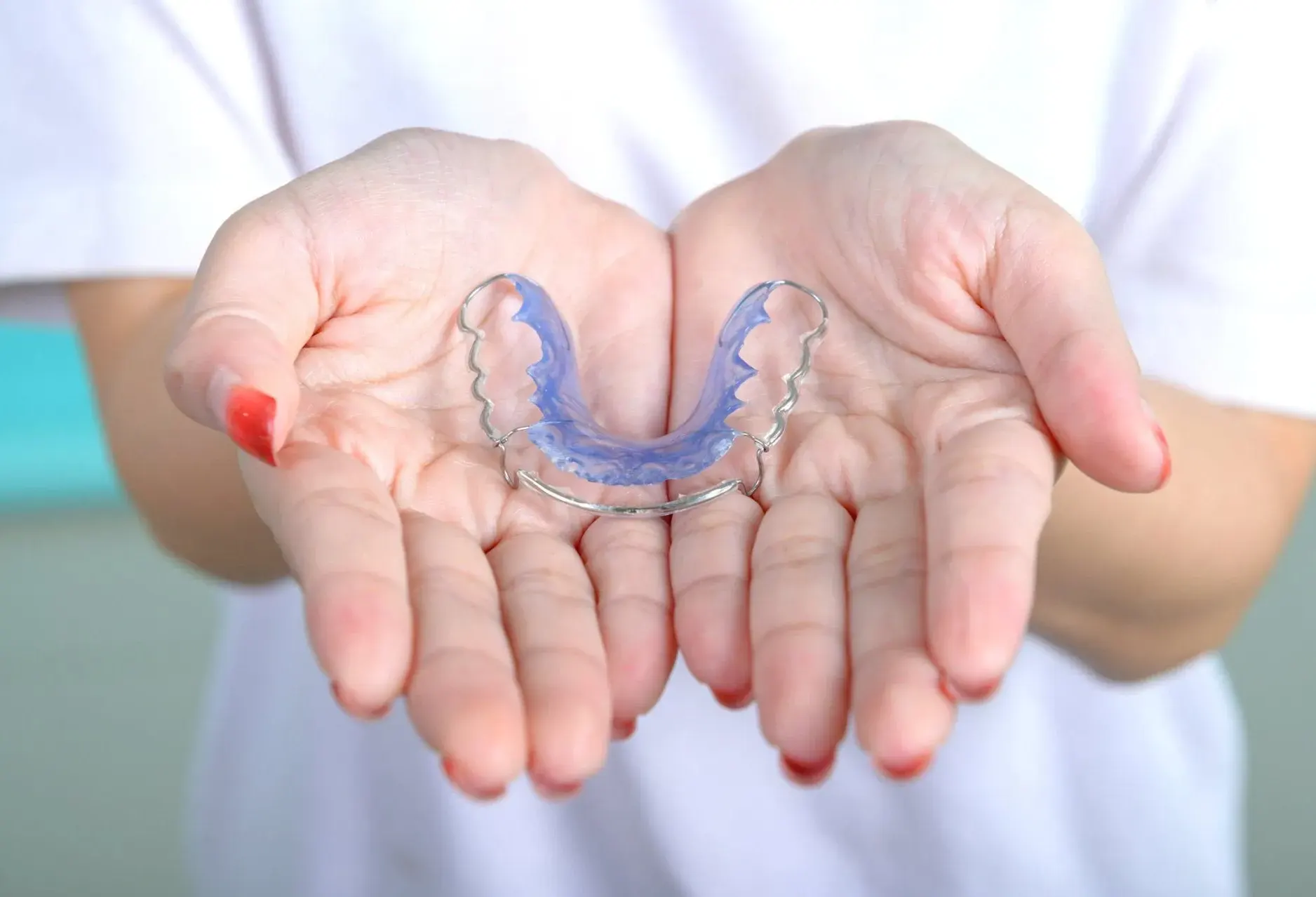
Teeth can shift after orthodontic treatment, so retention is an important part of maintaining the final tooth positions.
After active Invisalign treatment is complete, dentist near you may provide retainers and explain when and how long they should be worn. Retainer instructions vary according to the individual treatment plan.
Clean and store retainers as directed and bring them to recommended follow-up appointments. Contact the clinic if a retainer becomes damaged, no longer fits properly, or is lost.
Schedule an Invisalign Assessment in Coquitlam
If you are considering clear aligners for crooked teeth, crowding, spacing, or a bite concern, an examination can help determine whether Invisalign is appropriate for you.
Call (604) 942-6282 or complete the appointment form to request an assessment for Invisalign in Coquitlam.