Everything You Need to Know About Preventing Tooth Sensitivity at Home and at the Dentist
July 1, 2026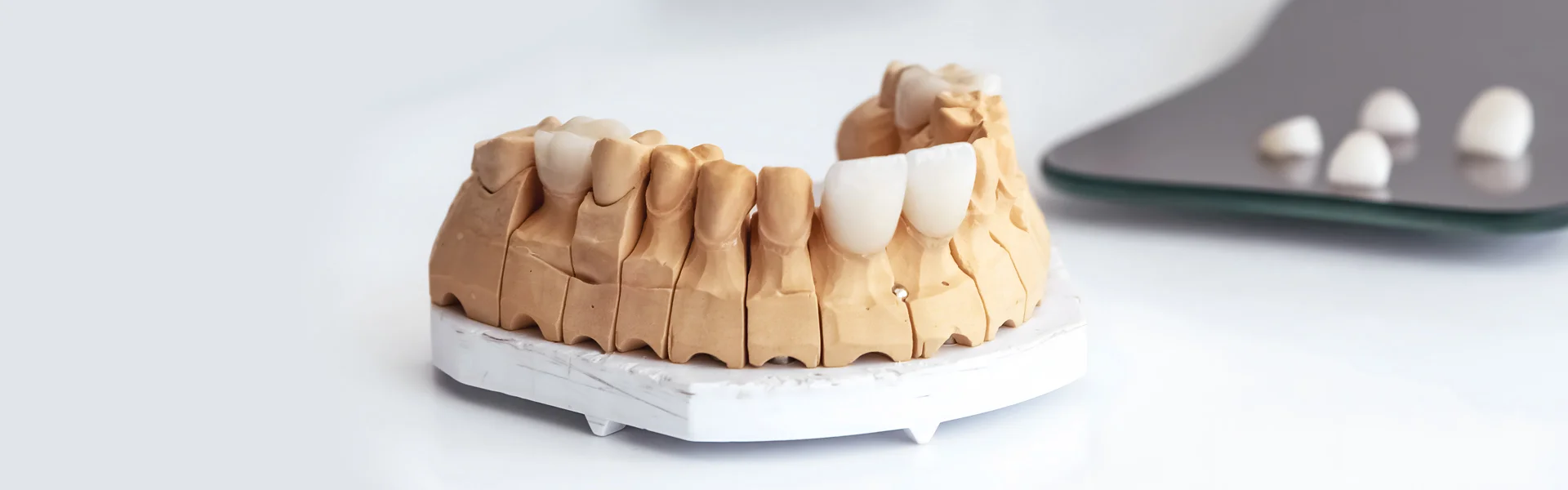
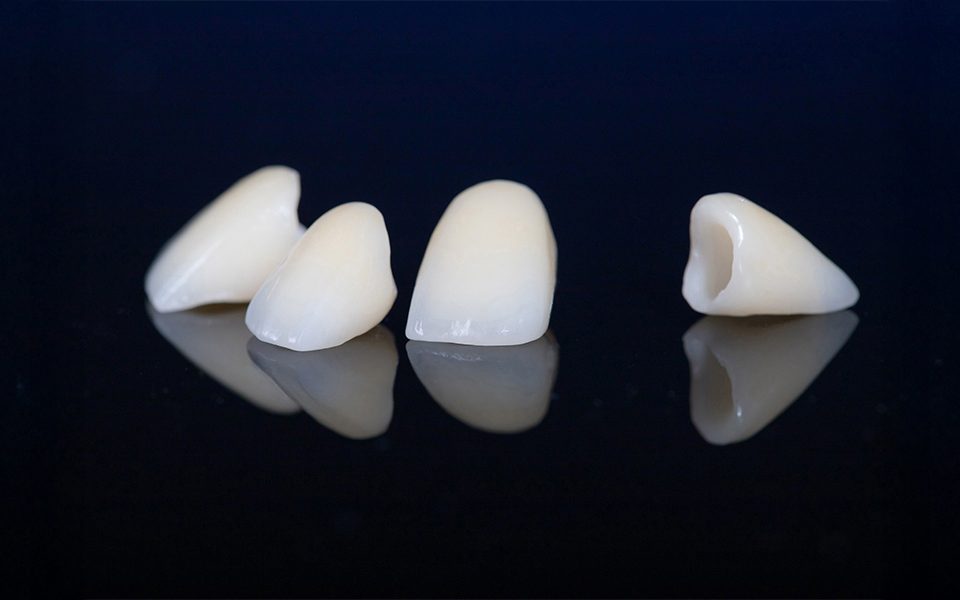
Veneer treatment can preserve much of a natural tooth, but enamel removed during preparation is permanently altered. The effect on the tooth depends on preparation depth, available enamel, bite forces, adhesive technique, and maintenance.
Patients considering dental veneers near me may have concerns about:
- Drilling or enamel loss
- Sensitivity after treatment
- Veneer repair or replacement
- Changes to their natural bite
- Long-term maintenance
An oral examination helps estimate the required preparation. It also allows the dentist to determine whether whitening, bonding, or orthodontics would preserve more natural structure.
The Short Answer
Veneers may be suitable when:
- Teeth and gums are healthy
- Sufficient enamel remains for bonding
- Bite forces can be managed
- The requested cosmetic change is realistic
- The patient understands that treatment may be irreversible
They may address internal discolouration, limited edge damage, uneven contours, or small spaces. They cannot correct every alignment or bite problem.
Myth: Dentists Remove Most of the Natural Tooth for Veneers
Veneers generally require less circumferential reduction than crowns because they cover a smaller portion of the tooth. The two restorations serve different clinical purposes and are not interchangeable.
Conservative preparation creates enough space for ceramic or composite material without producing a bulky contour. A tooth positioned farther forward may need more reduction than one positioned slightly inward.
When More Preparation May Be Needed
Additional reduction may be considered when a tooth has:
- Deep internal discolouration
- A prominent or rotated position
- An existing filling
- A fracture or worn edge
- A significant contour problem
- Insufficient room for restorative material
Planning the colour, position, and contour before treatment helps limit unnecessary enamel removal.
Terms such as no-prep and minimal-prep do not tell patients how much reduction a particular tooth will need. Even a no-prep case may involve slight contouring to create a clean margin or prevent excess thickness near the gums.
A systematic review indexed in PubMed reported higher survival and success when ceramic veneers were bonded mainly to enamel rather than extensively exposed dentin. This supports preserving enamel whenever the treatment goal permits it.
How Dentists Measure Enamel Before Preparing a Tooth
Assessment begins with the position, shape, colour, and condition of each tooth. The oral examination also checks for:
- Tooth decay
- Gum inflammation
- Enamel wear
- Gum recession
- Existing restorations
- Chips or fractures
- Bite-related wear
These findings show whether the tooth provides a suitable surface for adhesive bonding.
Digital Records and Planning
Photographs and digital scans record external tooth proportions and alignment. A scan does not directly measure enamel thickness throughout the tooth. It maps the visible surface so the existing contour can be compared with the proposed restoration.
A diagnostic wax-up or digital design may be helpful when several teeth require coordinated changes. A temporary mock-up transfers the proposed design to the mouth so the patient can review tooth length, width, and proportions before preparation.
Preparation Guides
A silicone index made from the proposed design provides a physical reference during treatment. Depth-guided instruments and magnification can then limit reduction to selected areas.
Dental X-rays may be needed to investigate decay, previous treatment, root condition, or supporting bone. Routine radiographs do not precisely map facial enamel thickness. Three-dimensional imaging is not routinely justified for elective veneer planning without another diagnostic reason.
During a consultation for dental veneers in Coquitlam, BC, patients should receive a tooth-by-tooth explanation of the proposed preparation. This supports informed consent before permanent changes are made.
Why Veneer Preparation Varies From Patient to Patient?
No two teeth have identical enamel distribution, alignment, colour, or treatment history. Preparation must therefore reflect the condition and position of each tooth.
Factors That Affect Preparation Depth
- Existing enamel and areas of wear
- Tooth position or rotation
- Depth of internal staining
- Chips, fractures, or older fillings
- Proposed changes in length and width
- Gumline position
- Biting and side-to-side contacts
- Clenching or grinding
- Veneer material and thickness
A mildly discoloured tooth in favourable alignment may need limited preparation. A prominent or rotated tooth may require additional space for a natural contour.
If the requested change would remove substantial healthy structure, orthodontics or bonding may offer a more conservative option.
Why the Bite Matters
Heavy contact on a veneer edge can increase the risk of:
- Chipping
- Surface wear
- Debonding
- Fracture
- Repeated repair
Bite analysis helps the dentist identify vulnerable contacts and determine whether another procedure should come first.
Active decay and gum inflammation require treatment before elective veneer placement. Grinding may need bite management and a nightguard. Stabilizing these conditions provides healthier tissues and more reliable bonding conditions.
Minimal-Prep, No-Prep, and Traditional Veneers: What Changes?
| Veneer type | Tooth preparation | Possible use | Main limitation |
| No-prep | Little or no intentional reduction | Small teeth, limited spaces, or inward-positioned teeth | Can look bulky when the tooth lacks room for added material |
| Minimal-prep | Selective enamel reduction | Cases needing modest colour or contour changes | Still involves permanent alteration where enamel is removed |
| Traditional porcelain | More defined preparation | Greater changes in colour, length, or contour | Requires more tooth reduction and future restorative maintenance |
| Composite | Often limited preparation | Minor chips, shape changes, or spacing concerns | More likely to stain or wear than porcelain |
No-Prep Veneers
Adding material without reduction is unsuitable when it would create excess thickness, poor gum contours, or an unnatural profile. Removing a bonded no-prep veneer later can also affect the underlying surface.
Minimal-Prep Veneers
Minimally invasive veneers use selective enamel reduction to establish restorative space and clean margins. Preparation follows the existing tooth shape instead of using one standard depth across every surface.
Traditional Porcelain Veneers
Traditional porcelain veneers may be considered when greater changes in colour, length, or contour are needed. Ceramic selection and preparation depth are planned together.
Feldspathic porcelain and lithium disilicate have different optical and structural properties. Material selection should reflect the condition of the tooth, available space, and intended design.
Composite Veneers
Composite resin veneers can often be placed directly with limited preparation. They are generally easier to repair than porcelain but may stain or wear sooner.
When comparing tooth veneer services, ask about:
- Preparation depth
- Material limitations
- Repair options
- Maintenance requirements
- Expected future replacement
- More conservative alternative
Does Tooth Enamel Grow Back After Veneer Preparation?
No. Enamel removed during preparation cannot biologically regenerate. Mature enamel contains no living cells capable of rebuilding the lost surface.
Regrowth and Remineralization Are Different
Fluoride, saliva, calcium, and phosphate can strengthen an early area of mineral loss before a cavity develops. They cannot replace enamel removed with a dental instrument.
When preparation reaches dentin, temporary sensitivity may occur. Dentin contains microscopic tubules that communicate with the dental pulp. Adhesive sealing can reduce fluid movement within these tubules, but the response depends on preparation depth and the tooth’s original condition.
Veneers Require Long-Term Care
Future examinations are needed to evaluate:
- Veneer margins
- Adhesive bonding
- Bite contacts
- Gum response
- Ceramic integrity
- Decay around the restoration
A chipped, loose, or deteriorated veneer may eventually need repair or replacement.
How Does Proper Veneer Bonding Help Protect the Underlying Tooth?
Bonding connects the restoration to the prepared tooth through controlled surface treatment. Enamel conditioning creates microscopic retention, while adhesive and resin cement join the veneer to the tooth.
Steps That Support a Reliable Bond
- Isolating the tooth from saliva and blood
- Conditioning the enamel correctly
- Treating the inner veneer surface for its material
- Applying the adhesive and resin cement
- Seating the veneer in the planned position
- Removing excess cement
- Curing the bonding material
- Checking bite contacts
Feldspathic porcelain and lithium disilicate do not always use identical conditioning protocols. Following the appropriate procedure supports adhesion without damaging the ceramic.
Moisture contamination can weaken the bond and contribute to marginal discolouration or debonding. Careful isolation and complete cement removal create cleaner, more maintainable margins.
Long-term studies indexed in PubMed have reported favourable survival for porcelain veneers bonded primarily to enamel. Published averages cannot predict how long one patient’s restoration will last.
What Can Affect Veneer Performance?
- Grinding or clenching
- Dental trauma
- Tooth decay
- Smoking
- Poor plaque control
- Heavy bite contacts
- Material selection
- Inadequate maintenance
A bonded veneer does not make the tooth immune to disease. Plaque can collect along its margin, exposed roots can decay, and excessive forces can damage the restoration.
Veneer Maintenance Checklist
- Brush twice daily with fluoride toothpaste.
- Clean between the teeth every day.
- Avoid chewing ice.
- Do not use teeth to open packages.
- Wear a prescribed nightguard when grinding is present.
- Attend regular examinations and cleanings.
- Report sensitivity, movement, roughness, or chipping.
Frequently Asked Questions
Conclusion
Conservative preparation, adequate enamel, controlled bonding, and stable bite contacts create more favourable conditions for veneer treatment. Because enamel reduction is irreversible, careful case selection and depth control remain essential.
Contact Coast Dental for an examination and a clear discussion of preparation requirements, treatment limitations, maintenance, and alternatives based on your oral health.

Dr. Annem Wallace, DMD
Cosmetic & Implant Dentist at Coast Dental Coquitlam
With over 10 years of experience, Dr. Wallace specializes in cosmetic dentistry and dental implants, focusing on creating beautiful, healthy smiles.