

Dental Bonding in Coquitlam
Schedule a Dental Bonding Consultation
Have a chipped tooth, small gap, uneven edge, or another cosmetic concern? Call (604) 942-6282 or complete the form to request a consultation.

Small chips, uneven edges, narrow gaps, and localized discolouration can affect the appearance of otherwise healthy teeth. Dental bonding uses tooth-coloured composite resin to reshape or repair selected areas while generally preserving most of the natural tooth structure.
Coast Dental provides dental bonding in Coquitlam for patients whose concerns can be treated conservatively with composite resin. Before recommending bonding, the dentist examines the tooth, surrounding gums, and bite to determine whether this approach is appropriate or whether another restorative or cosmetic option would provide better support.
What Is Dental Bonding?
Dental bonding, sometimes called composite tooth bonding, is a direct technique in which composite resin is applied to a tooth and shaped to improve a specific area. The material is selected to coordinate with the surrounding tooth colour before it is bonded, hardened with a curing light, shaped, and polished.
Bonding may be used for an incisal edge repair, a small enamel fracture, minor reshaping, or closing a narrow space between teeth. Applying the resin directly to the tooth allows many bonding procedures to be completed without sending a restoration to a dental lab.

What Cosmetic Concerns Can Dental Bonding Correct?
Depending on the condition of the tooth, bonding may be considered for:
- Small chips or minor enamel fractures
- Worn or uneven tooth edges
- Narrow gaps between teeth
- Minor differences in tooth shape or length
- Localized areas of discolouration
- Small areas of exposed root surface
- Selected cosmetic irregularities affecting front teeth
Chipped tooth bonding can rebuild a small area of missing enamel, while composite resin may also be shaped to improve symmetry or achieve limited gap closure.
Bonding does have limitations. Large fractures, extensive decay, severely weakened teeth, significant bite problems, wide spaces, or heavy grinding may require another treatment approach.
Who Is a Good Candidate for Dental Bonding?
Bonding generally works best when the tooth and surrounding gums are healthy and the concern involves a relatively small area. During your consultation, the dentist will check for decay, gum inflammation, existing restorations, enamel damage, and how the teeth meet when you bite.
If decay or active gum disease is present, treatment may be needed before the tooth is bonded. Significant grinding, heavy bite forces, major alignment concerns, or a tooth that requires structural protection can also affect whether bonding is suitable.
If bonding is not the best option, the dentist may discuss alternatives such as a filling, a porcelain veneer, orthodontic treatment, or a dental crown, depending on the underlying concern.


Is Dental Bonding the Same as a Composite Filling?
Both procedures can use tooth-coloured composite resin, but their purposes differ.
A composite filling is primarily used to restore an area affected by decay or minor structural damage. Cosmetic bonding is generally used to repair or reshape a visible part of a tooth, such as a small chip, uneven edge, or narrow gap.
The dentist determines which treatment is appropriate based on the condition and function of the tooth rather than the material alone.
What Happens During the Dental Bonding Procedure?
Assessment and Shade Selection
The dentist examines the tooth and selects a composite shade that coordinates with the surrounding enamel. If you are considering whitening, this should be discussed before final shade selection because bonded resin does not whiten in the same way as natural enamel.
Tooth Preparation
Dental bonding is a conservative treatment that often requires little alteration to the natural tooth. The surface may be conditioned or lightly roughened to help the material adhere. The amount of preparation depends on the tooth and the area being treated.
Bonding and Shaping
A dental adhesive and composite resin are applied to the prepared surface. The dentist then shapes the material to achieve the planned contour and appearance.
Curing and Polishing
The composite is hardened with a curing light, then refined and polished to create a smooth surface and comfortable bite.
Many bonding procedures can be completed in one visit, although appointment length and the number of visits depend on how many teeth are being treated and the complexity of the changes.
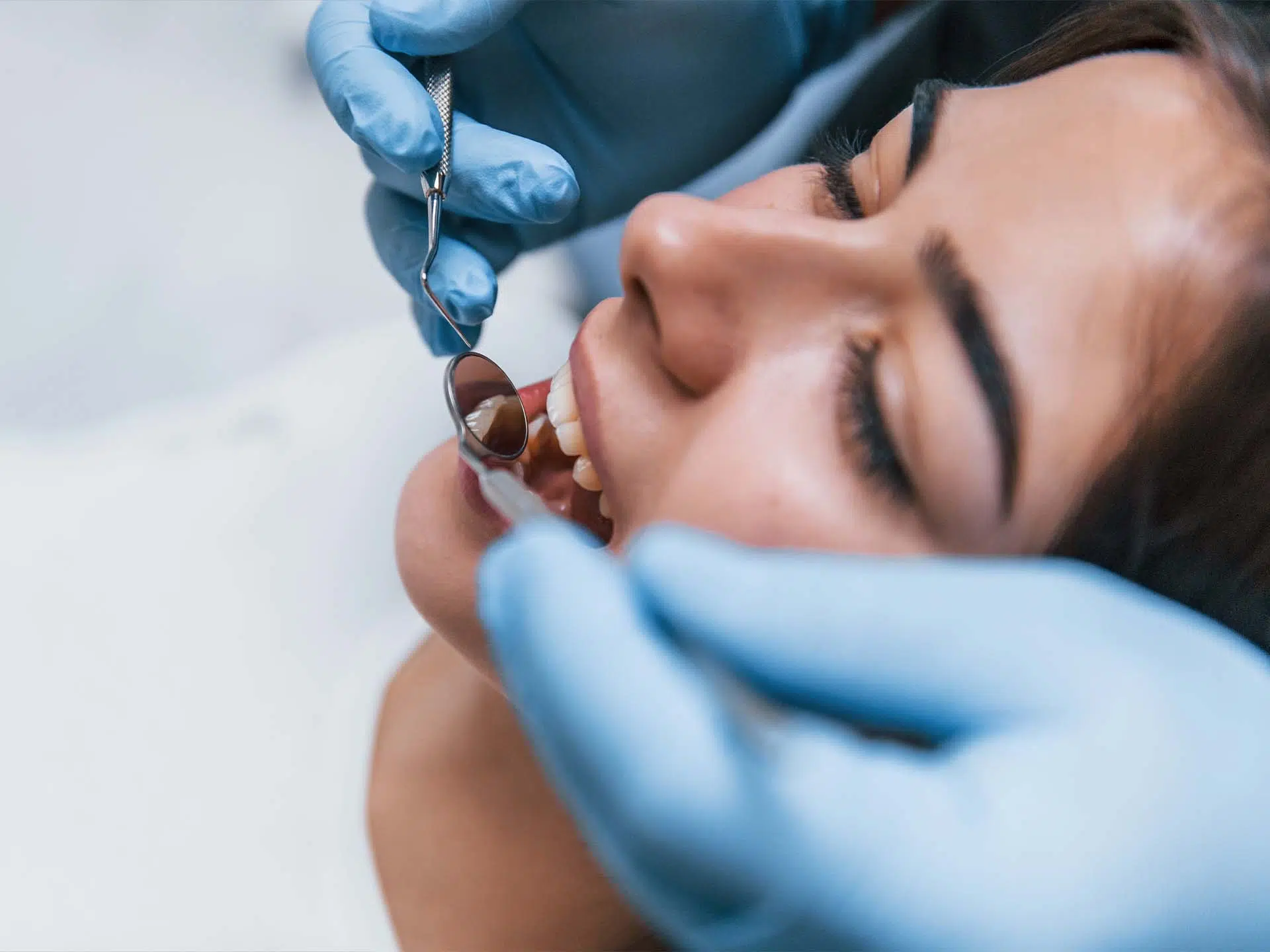
Bonding and Tooth Colour
Composite resin is selected to match the shade of your teeth at the time of treatment. Because bonded material does not respond to whitening products in the same way as enamel, patients considering professional teeth whitening may be advised to complete whitening first.
Over time, composite can develop surface stains or lose some of its polish. Depending on its condition, the material may be polished, repaired, or replaced.
How Long Does Dental Bonding Last?
The lifespan of bonded composite varies from person to person. Durability can be influenced by the location and size of the bonded area, bite pressure, grinding or clenching, oral hygiene, dietary habits, and repeated stress on the material.
Bonded resin may gradually wear, stain, chip, or lose its smooth finish. Nail biting, chewing ice or pens, and using front teeth to open packaging can place additional pressure on the restoration.
Regular dental examinations help the dentist check the bonding, surrounding tooth structure, and bite. Small areas of damage may sometimes be repaired without replacing the entire bonded section.
Dental Bonding vs. Veneers and Crowns
The choice between bonding, veneers, and crowns depends on the condition of the tooth and the type of improvement needed.
- Dental bonding places composite resin directly onto the tooth and usually involves relatively conservative preparation. It can be useful for small cosmetic changes and minor repairs, although composite may stain or wear over time.
- Porcelain veneers cover the front surfaces of selected teeth and generally offer greater stain resistance than composite restorations. They may require more treatment planning and some preparation of the tooth.
- Dental crowns cover more of the tooth and are generally considered when greater structural protection is needed rather than for a small cosmetic concern alone.
The most suitable option depends on the amount of healthy tooth structure, bite, cosmetic goals, and extent of the problem.
How to Care for Bonded Teeth
Brush and floss consistently and attend regular dental examinations and cleanings. Avoid using bonded teeth to bite very hard objects or to use them as tools, especially when composite has been placed along the edge of a front tooth.
Contact the clinic if the bonded area becomes rough, sharp, loose, chipped, or uncomfortable when you bite. An examination can help identify whether the bonded area would benefit from polishing, reshaping, repair, or replacement.
Schedule a Dental Bonding Consultation in Coquitlam
If you are considering bonding for a chipped tooth, small gap, uneven edge, or another minor cosmetic concern, schedule an evaluation to learn which options are appropriate for your tooth.
Request an evaluation for dental bonding in Coquitlam by calling (604) 942-6282 or filling out the appointment form.