Your New Smile Starts Here: Book a Free Implant Consultation Today
May 1, 2026
Everything You Need to Know About Preventing Tooth Sensitivity at Home and at the Dentist
July 1, 2026
What Are Dental Crowns? An Overview of the Procedure?
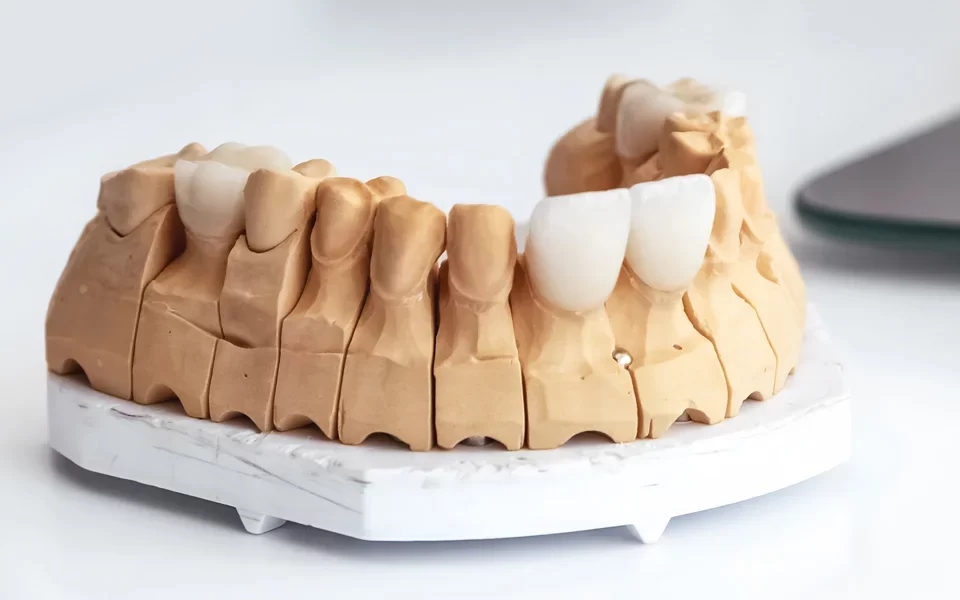
Dental crowns are custom restorations designed to cover and protect weakened teeth. They are commonly recommended when a tooth has extensive decay, fracture damage, large fillings, or structural wear that affects normal function.
A dental crown restoration fits securely over the visible part of the tooth to improve strength, stability, and appearance while preserving the remaining natural structure. In restorative dentistry, crowns are frequently used to restore tooth structure and reinforce teeth when they can no longer withstand normal chewing pressure.
Many patients searching online for dental crowns near me are often dealing with cracked teeth, enamel wear, or weakened teeth following infection or trauma. Crowns are also commonly used as part of dental prosthetic restoration plans when long-term tooth protection is needed.
Modern restorations are designed to blend naturally with nearby teeth while supporting everyday bite function and occlusal protection.
The Different Types of Dental Crowns and Their Benefits
Several crown materials are available depending on the tooth’s location, bite pressure, cosmetic goals, and overall oral health.
Porcelain Dental Crowns
Porcelain dental crowns are commonly used for front teeth because they closely resemble natural enamel. They are often selected when appearance is an important part of treatment planning.
Zirconia Dental Crowns
Zirconia dental crowns are known for durability and strength. These restorations are often recommended for molars and teeth that are exposed to greater chewing forces.
Ceramic Dental Crowns
Ceramic dental crowns provide a metal-free option that combines durability with a natural appearance for many patients.
Same Day Dental Crowns
Some clinics provide same-day dental crowns using digital technology that allows restorations to be created and placed during one appointment.
CEREC and CAD/CAM Technology
Modern restorative care may involve CEREC dental crowns and CAD/CAM dental crown technology to improve the accuracy of custom dental crown fabrication during crown placement.
Different crown materials are recommended based on tooth location, oral health needs, bite function, and long-term restorative goals.
Why You Might Need a Dental Crown: Common Reasons and Symptoms?
Dental crowns are often recommended when teeth become too weak to support normal function safely.
Common reasons for crown placement include:
- Large cavities
- Cracked or fractured teeth
- Broken fillings
- Severe enamel wear
- Structural weakness after root canal treatment
- Cosmetic concerns involving damaged teeth
Dental crowns are often used to treat cracked teeth and help stabilize the tooth and prevent further breakage during daily function.
A crown after root canal treatment is also common because teeth may become more fragile after infected tissue is removed. In many situations, crowns are used as part of post-root canal restoration to improve long-term tooth stability and dental pulp protection.
Patients experiencing chewing discomfort, visible fractures, or symptoms related to enamel-damaging treatments should schedule a professional dental evaluation.
How Dental Crowns Restore Functionality and Aesthetic Appeal?
Dental crowns improve both appearance and chewing function when teeth become structurally compromised.
A full-coverage crown extends around the visible portion of the tooth to improve stability and support normal bite forces. Crowns may also improve smile appearance by restoring tooth shape, color, and overall balance.
In restorative dentistry, crowns may support:
- Tooth structure restoration
- Structural tooth reinforcement
- Dental pulp protection
- Occlusal protection during biting and chewing
Restorative dentistry crowns are also used to help protect weakened teeth from additional wear or fracture.
Advanced crown materials are made to withstand daily wear while providing a realistic appearance that complements adjacent teeth.
Many patients receiving tooth crown services notice improved chewing comfort and better bite stability after treatment.
The Dental Crown Procedure: What to Expect During Your Visit
The tooth crown procedure usually takes place over one or two appointments, depending on the type of restoration being used.
The appointment often begins with an oral examination and digital imaging of the affected tooth. During crown preparation, the tooth is carefully reshaped to create space for the restoration.
If digital systems are used, impressions may be captured electronically for the fabrication of custom dental crowns. Some restorations may also involve evaluation of the dental crown abutment to confirm proper support before crown placement.
Once completed, the permanent restoration is secured during crown cementation.
A properly fitted crown helps distribute bite pressure more evenly while supporting long-term tooth stability and oral function.
Patients from nearby communities, such as Port Coquitlam, and Maple Ridge, often seek restorative care close to home for convenience and ongoing follow-up support.
Caring for Your Dental Crown: Tips for Long-Term Durability
To maintain crown stability and long-term oral health, patients are encouraged to practice daily oral hygiene and visit the dentist regularly.
Helpful care tips include:
- Brushing twice daily
- Flossing gently around the crown
- Avoiding chewing hard objects or ice
- Wearing a nightguard if teeth grinding is present
- Scheduling regular dental examinations and cleanings
Crowns are durable, but habits such as grinding or clenching may shorten their longevity over time.
Factors that may influence crown lifespan include bite alignment, oral hygiene, crown material, and chewing pressure.
Patients should also understand that dental crown replacement may eventually be necessary due to wear, bite changes, or structural concerns affecting the tooth beneath the restoration.
Book Your Consultation for a Dental Crown Near Coquitlam Today
Crowns are commonly used to strengthen damaged teeth and support everyday chewing and biting after injury, wear, or infection.
Crown placement is often recommended for teeth with structural loss, extensive decay, or root canal treatment to strengthen and protect the remaining tooth.
A trusted dentist in Coquitlam, BC, can evaluate your oral health condition and determine whether crown treatment is appropriate for your needs.
At Coast Dental, restorative treatment plans focus on improving bite stability, protecting natural tooth structure, and supporting long-term oral health through personalized care.
Dental crowns may last many years, depending on oral hygiene, bite pressure, crown material, and regular dental care.
Crown procedures are typically completed using local anesthesia to help patients remain comfortable during treatment.
Yes. Crowns are commonly used to stabilize and protect cracked or weakened teeth from additional damage.
A loose crown should be evaluated promptly to help prevent further tooth damage or decay beneath the restoration.
Same-day crowns may provide durable results for many patients, although tooth condition and material selection can affect long-term performance.

Dr. Annem Wallace, DMD
Cosmetic & Implant Dentist at Coast Dental Coquitlam
With over 10 years of experience, Dr. Wallace specializes in cosmetic dentistry and dental implants, focusing on creating beautiful, healthy smiles.