Tooth Extraction Recovery Timeline: What to Expect Each Day?
December 15, 2025
What Happens If You Delay Getting a Dental Implant?
February 1, 2026
A brighter smile can lift your confidence in a steady, natural way. With so many whitening choices available, it’s common for patients to wonder how often they can whiten safely. That is an important question. The answer depends on the type of whitening you use, your enamel, and your daily habits. When you consider professional tooth whitening near you, it helps to understand how whitening works and why timing matters.
How Teeth Whitening Works And Why Frequency Matters?
Most whitening systems use a form of hydrogen peroxide or carbamide peroxide gel. These gels break down stains that sit on and within the enamel. The more often you use them, the more stress you place on the outer layer of the tooth.
Used with proper spacing, whitening is safe for most healthy teeth. Used too often, it may lead to:
- Tooth sensitivity
- Gum irritation
- A dry or “chalky” feeling after treatment
- Gradual weakening of enamel over time
Your enamel does not grow back. That is why the strength of the product, how long it sits on your teeth, and how often you repeat treatment all play a role in long-term safety.
Differences Between Professional And At-Home Teeth Whitening
Not all whitening is the same. The plan that suits you depends on your goals and your oral health.
Professional in-office whitening:
- Uses stronger gels
- Gives a fast, noticeable change in one or two visits
- Includes gum protection and close monitoring
- Custom steps to manage sensitivity
Custom take-home trays from a dentist:
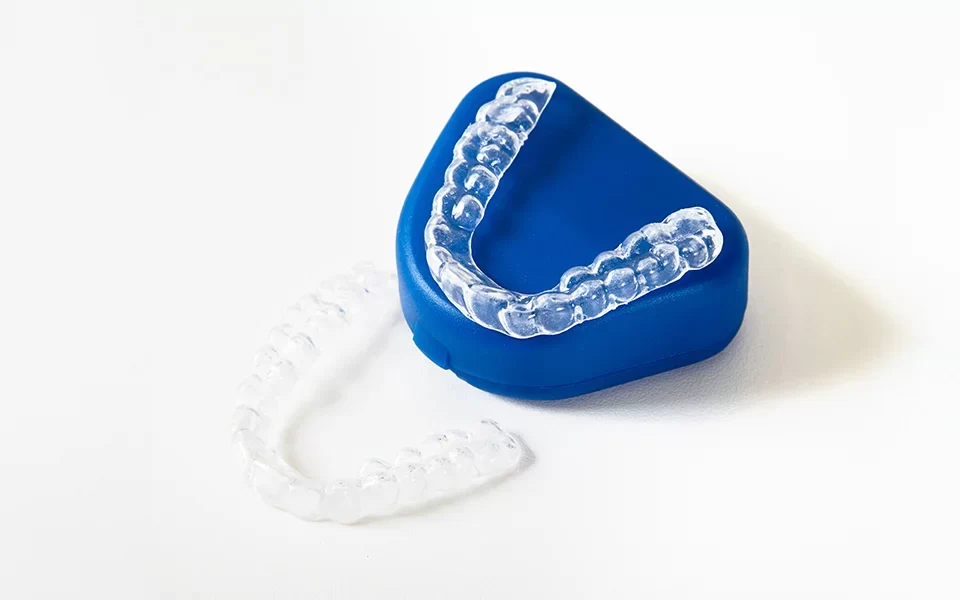
- Use moderate-strength gel in custom-fitted trays
- Worn for set times over one to two weeks
- Allow even, consistent whitening
- Let your dentist adjust the strength if your teeth react
Over-the-counter products (strips, pens, generic trays):
- Use lower-strength gels
- One-size strips or trays may miss areas
- Results are often slower and less even
- Users may overuse them without guidance
Because professional care includes a full exam first, it allows your dentist to spot decay, worn enamel, or exposed roots that might worsen with too much whitening.
Recommended Whitening Frequency For Professional Treatments
Most adults with healthy teeth and gums benefit from in-office whitening about once a year, sometimes with longer intervals of 12–18 months depending on enamel and sensitivity. Many patients use small touch-ups in between, yet strong treatments should not feel routine.
As a general guide:
- Full in-office whitening: about once every 12–18 months
- Custom tray touch-ups: short touch-up cycles once or twice a year, as advised by your dentist
Your dentist will look at:
- Enamel thickness
- History of sensitivity
- Past fillings, crowns, or veneers
- Your diet and habits (coffee, tea, red wine, tobacco)
Based on this, they may suggest longer breaks between sessions or a gentler approach.
How Often At-Home Whitening Products Should Be Used?
At-home products vary a lot, so directions matter. Overuse is common when people want faster change.
Some broad guidelines:
- Whitening strips: One full box as directed (often 10–14 days), no more than two full courses per year without dental advice.
- Whitening pens: Best for spot touch-ups, not for daily long-term use.
- Whitening toothpaste: Safe for daily use for most people, though results are mild.
- Custom trays from a dentist: Follow the exact schedule set for you, often one to two weeks of nightly use, then short touch-ups a few times a year.
If you use store products often on your own, schedule a checkup before starting a new round. This protects your enamel and gums. This is also a good time to ask your dentist in Coquitlam, BC, about safer, more predictable options.
Signs You May Be Whitening Your Teeth Too Often
Listen to what your teeth and gums tell you. You may be whitening too often if you notice:
- Sharp zings of pain with cold air, food, or drinks
- Dull ache in several teeth after whitening
- Gums that sting, look red, or recede
- Teeth that look almost blue, gray, or see-through at the edges
- Chalky or uneven patches on the front surfaces
If any of these show up, stop whitening and call your dentist. Most sensitivity fades with a break, but ongoing pain may point to other issues like decay, cracks, or gum disease.
How To Maintain White Teeth Without Over-Whitening?
The best way to keep your smile bright is to prevent stains in the first place. That reduces how often you need stronger whitening.
Helpful habits include:
- Brush twice each day with a fluoride-based toothpaste to protect your enamel and limit new discoloration
- Floss once a day to remove stain-holding plaque between teeth
- Rinse with water after coffee, tea, red wine, or colored sauces
- Use a straw for cold, dark drinks when you can
- Limit tobacco in all forms
You may also talk with your dentist about mild dental whitening services, such as occasional polishing or low-strength custom gels for rare touch-ups. These options can help you hold on to your results while protecting your enamel.
Schedule A Professional Teeth Whitening Consultation Today
Every smile is unique, and so is the right whitening schedule. Before you start or repeat any whitening routine, a full exam gives you a clear picture of your enamel health and helps avoid problems. During a consultation, your dentist can review your goals, past whitening history, and daily habits, then suggest a plan that balances brightness with safety. To plan a safe whitening routine and learn which options suit your teeth best, schedule a visit with Coast Dental Coquitlam and speak with a dentist who knows your smile.
FAQs About Teeth Whitening Frequency

Dr. Annem Wallace, DMD
Cosmetic & Implant Dentist at Coast Dental Coquitlam
With over 10 years of experience, Dr. Wallace specializes in cosmetic dentistry and dental implants, focusing on creating beautiful, healthy smiles.