

Toothache Treatment in Coquitlam
Request an Urgent Toothache Appointment
Experiencing ongoing or severe tooth pain? Call (604) 942-6282 or use the form to request an appointment for an evaluation.
Some tooth pain appears as temporary sensitivity, while other cases involve sharp discomfort when chewing or persistent throbbing pain. Because these symptoms can have different causes, proper diagnosis is important before treatment is recommended.
Coast Dental Coquitlam provides toothache treatment in Coquitlam for dental pain related to concerns such as tooth decay, cracked or damaged teeth, inflamed dental pulp, gum problems, or dental infection. The dentist can evaluate the source of your symptoms and discuss treatment based on the clinical findings.
Severe tooth pain, facial swelling, fever, or rapidly worsening symptoms may require prompt attention. If you are unsure how urgently you need care, contact the dental office for guidance.

Common Causes of Toothache
Toothache is a symptom rather than a diagnosis. Common causes may include:
- Tooth decay: Cavities may cause sensitivity or pain as decay reaches deeper tooth structure.
- Dental pulp inflammation: Irritation inside a tooth may cause lingering sensitivity, spontaneous pain, or throbbing discomfort.
- Cracked or damaged teeth: A crack can cause sharp or intermittent pain, particularly when biting.
- Dental infection or abscess: Infection involving a tooth or surrounding tissues may cause persistent pain, swelling, tenderness, or drainage.
- Gum or periodontal problems: Inflamed or infected tissues around a tooth can contribute to localized discomfort.
- Wisdom teeth: A wisdom tooth that is trapped or partly erupted can sometimes irritate nearby tissues and cause discomfort toward the back of the mouth.
- Grinding or clenching: Repeated pressure on the teeth can contribute to tenderness or jaw discomfort.
- Problems with existing dental work: Damage, decay, or bite-related issues around a filling or crown may cause symptoms.
What Different Types of Tooth Pain May Mean
The way a toothache feels can provide useful information, although symptoms alone cannot confirm the cause.
Lingering Hot or Cold Sensitivity
Brief sensitivity may occur with enamel wear, gum recession, exposed tooth roots, decay, or recent dental treatment. Pain that lingers after the trigger is removed or occurs without a trigger may indicate inflammation involving the dental pulp.
Sharp Pain When Biting
Pain when biting in Coquitlam may be associated with a cracked tooth, damaged restoration, bite-related pressure, inflammation around the tooth, or infection. Symptoms can sometimes come and go.
Constant or Throbbing Tooth Pain
Persistent or throbbing tooth pain in Coquitlam may occur with significant pulpal inflammation or infection. Increasing pain, swelling, fever, or drainage should be assessed promptly.
Gum Pain and Swelling
Gum discomfort may result from local irritation, periodontal inflammation, infection, or a problem involving a nearby tooth. The cause should be identified before gum pain treatment in Coquitlam is recommended.
Jaw Pain That Feels Like Tooth Pain
Not all pain felt around a tooth begins inside that tooth. Jaw muscles, neighbouring teeth, and nearby structures can sometimes produce referred pain.
When Tooth Sensitivity Needs Evaluation
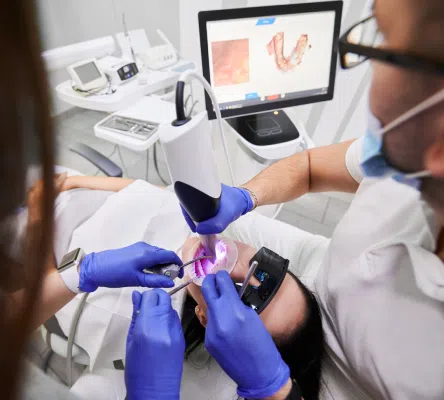
Not every sensitive tooth requires root canal treatment. Sensitivity can occur with enamel wear, gum recession, exposed roots, decay, a crack, whitening, a recent filling, or inflammation inside the tooth.
Sensitivity that persists, worsens, occurs spontaneously, or lingers after a hot or cold trigger should be evaluated. A dental examination can help determine whether tooth sensitivity treatment in Coquitlam is appropriate.
Why Does a Tooth Hurt Under a Filling or Crown?
Pain around an existing restoration can have several causes. These may include decay beneath or around a restoration, a loose or damaged filling, a cracked crown, bite-related pressure after recent dental work, or inflammation affecting the tooth.
A previously root canal-treated tooth can also develop symptoms for different reasons and requires assessment rather than assuming that the original problem has returned.

How We Diagnose Tooth Pain
Finding the source of dental pain is important because similar symptoms can arise from different conditions. Depending on your symptoms, the assessment may include:
- Reviewing your symptoms and relevant dental and medical history
- Examining the teeth, gums, and surrounding tissues
- Performing temperature or sensitivity testing when appropriate
- Assessing tenderness with tapping or controlled pressure
- Evaluating your bite and pain during chewing
- Checking for swelling, drainage, or periodontal concerns
- Taking digital X-rays when clinically indicated
- Discussing the diagnosis and treatment options
These findings can help distinguish between dental pulp inflammation, cracked teeth, periodontal concerns, bite-related pain, and infection.
Treatments for Toothache and Dental Pain
The appropriate care is determined by the underlying cause of the tooth pain. Options may include:
- Treating tooth decay and placing or replacing a restoration
- Adjusting or repairing a restoration when appropriate
- When irreversible pulp inflammation or infection affects a restorable tooth, root canal treatment may be an appropriate option.
- Treating gum or periodontal conditions
- Restoring a cracked or damaged tooth when possible
- Tooth extraction when the tooth cannot be predictably restored, or another clinical reason supports removal
Pain medication may sometimes be discussed for short-term comfort, but it does not treat structural problems such as decay, cracks, or damaged restorations.
Signs of a Dental Abscess
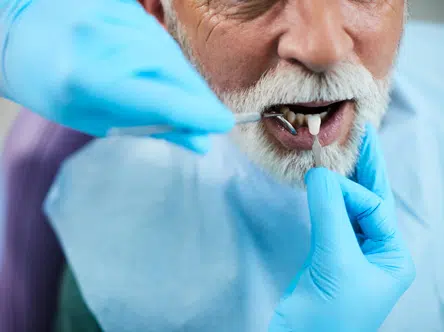
A dental abscess may cause:
- Severe or throbbing tooth pain
- Gum swelling
- Facial swelling
- Pain when biting
- Fever
- An unpleasant taste or drainage
- Tender lymph nodes
- Difficulty opening the mouth
Dental abscess treatment in Coquitlam depends on the source and extent of the infection and may involve drainage, root canal treatment, extraction, periodontal care, or another appropriate approach.
Temporary Toothache Relief Before Your Appointment
While waiting for care, temporary measures may include:
- Rinsing gently with warm salt water
- Using a cold compress externally for facial swelling
- Avoiding foods or drinks that trigger sensitivity
- Keeping the area as clean as comfortably possible
- Using over-the-counter pain relief only if it is suitable for you and according to label directions
These steps may help temporarily but do not replace professional assessment.
What Not to Do With a Toothache
Avoid measures that could irritate tissues or delay care:
- Do not apply aspirin directly to a painful tooth or the surrounding gum tissue.
- Do not use leftover antibiotics.
- Do not assume the problem is resolved because the pain stops.
- Do not attempt to drain an abscess yourself.
- Avoid applying heat to facial swelling unless advised by a healthcare professional.
When Tooth Pain Needs Urgent Dental Care
Contact a dentist promptly if you have:
- Severe or worsening tooth pain
- Persistent or spontaneous pain
- Facial or gum swelling
- Signs of a dental abscess
- Pain from a broken or cracked tooth
- Fever with dental symptoms
- Pain that interferes with eating or sleeping
An emergency toothache may require urgent assessment to identify the cause and determine appropriate care.
When to Seek Hospital Emergency Care
Seek urgent medical care if you experience:
- Difficulty breathing or swallowing
- Rapidly increasing facial or neck swelling
- Swelling extending toward the eye
- Major facial trauma
- Uncontrolled bleeding
- High fever with signs of spreading infection
Request an Urgent Toothache Appointment
If you have severe tooth pain, swelling, pain when biting, or symptoms of an infected or damaged tooth, contact the office and describe what you are experiencing.
Call (604) 942-6282 or complete the appointment form to request an assessment.