

Root Canal Treatment in Coquitlam
Request a Root Canal Evaluation
Experiencing persistent tooth pain, swelling, sensitivity, or concerns about an infected tooth? Call (604) 942-6282 or complete the appointment form to request an evaluation.
Root Canal Treatment in Coquitlam
Pain when biting, lingering sensitivity, swelling, or infection around a tooth can indicate a problem involving the dental pulp. In some cases, root canal treatment in Coquitlam may be recommended to remove infected or inflamed tissue from inside the tooth while preserving the remaining natural structure.
Coast Dental evaluates painful, damaged, or infected teeth to determine the cause and whether root canal therapy, another restorative treatment, or extraction should be considered. The recommendation depends on examination findings, imaging, the condition of the tooth, and whether it can be restored.
Not every tooth that needs endodontic treatment causes severe pain. Infection may sometimes be identified during an examination or on dental imaging before significant symptoms develop.

What Is Root Canal Treatment?
Inside each tooth is a space containing dental pulp, which includes nerves, blood vessels, and connective tissue. Deep decay, cracks, trauma, or other damage can cause pulp inflammation or infection.
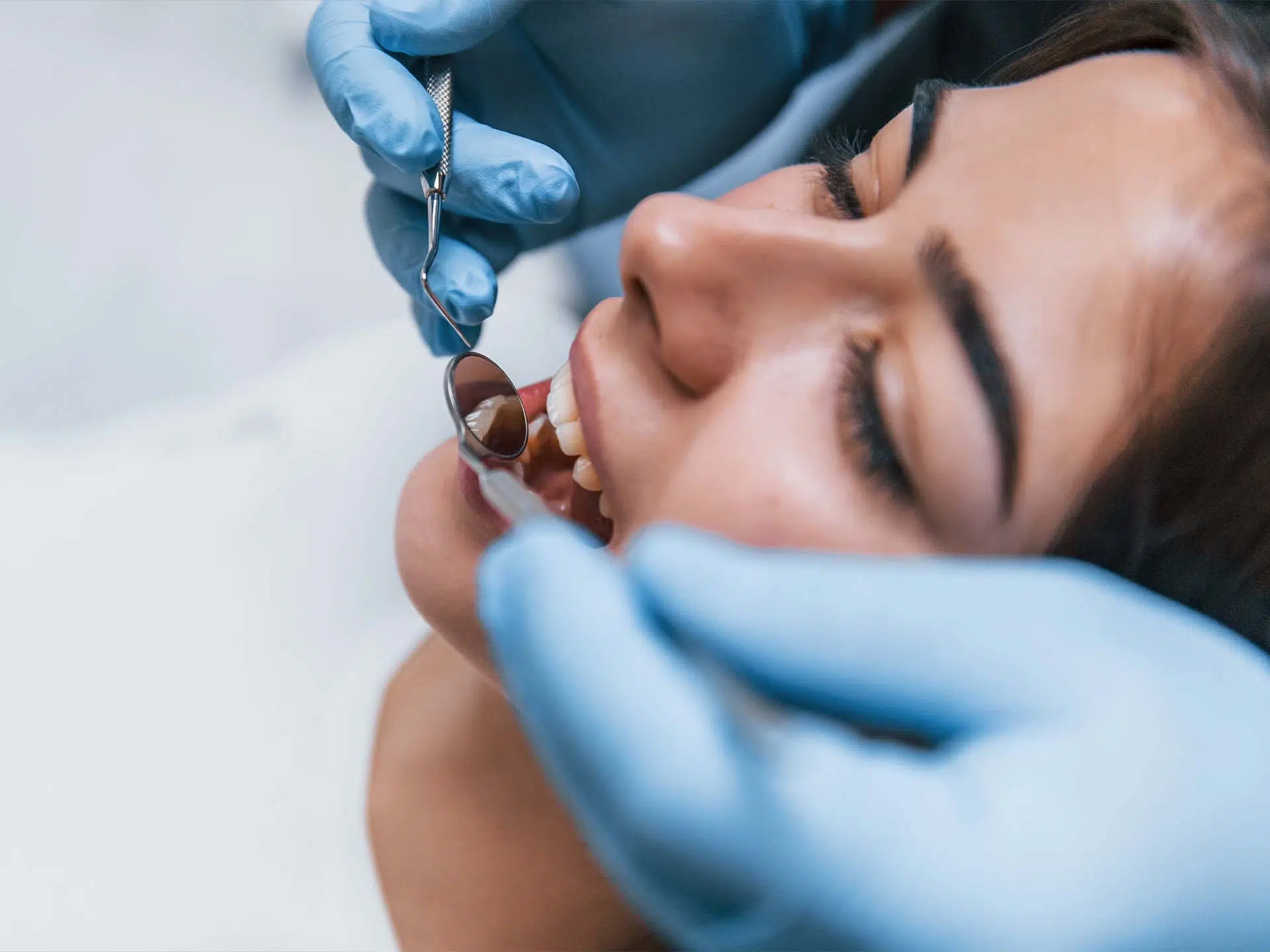
During endodontic treatment, the affected pulp is removed, the internal spaces of the tooth are cleaned and disinfected, and the canals are filled and sealed. The aim is to manage infection and preserve a tooth that can still be restored.
A filling or crown may then be needed to rebuild and protect the remaining tooth structure.
Signs You May Need a Root Canal
Symptoms that may lead to further evaluation include:
- Persistent or worsening tooth pain
- Lingering sensitivity to hot or cold
- Pain when biting or chewing
- Swelling or tenderness around a tooth
- A pimple or draining area on the gum
- Tooth discolouration after trauma
- A chipped, cracked, or severely damaged tooth
- Facial or gum swelling
Not every infected tooth causes noticeable symptoms. In some cases, changes around the root may be detected during an examination or on a dental X-ray.
These symptoms can have several causes, so an evaluation is needed to determine whether tooth infection treatment, root canal therapy, or another type of care is appropriate.
What Can Cause the Dental Pulp to Become Inflamed or Infected?
The pulp is protected by the surrounding enamel and dentin, but bacteria or injury can affect it when the tooth is damaged.
Possible causes include:
- Deep tooth decay
- A cracked or fractured tooth
- Dental trauma
- Repeated treatment on the same tooth
- A damaged or leaking restoration
- Decay or infection beneath an existing restoration
- An untreated infection that progresses into the pulp
If infection spreads beyond the tooth, it can contribute to inflammation or infection around the root and, in some cases, a dental abscess.

How Is an Infected Tooth Diagnosed?
Before recommending root canal services, the dentist needs to determine the source of the symptoms and whether the affected tooth can be restored.
The assessment may involve:
- Reviewing symptoms and dental history
- Examining the tooth and surrounding gums
- Dental X-rays when clinically indicated
- Testing the tooth's response to temperature or other stimuli
- Checking for tenderness when biting or when the tooth is gently tapped
- Assessing swelling or drainage
- Evaluating existing fillings, crowns, cracks, or decay
- Determining how much healthy tooth structure remains
The dentist can then discuss whether root canal therapy, restorative treatment, extraction, monitoring, or referral for further assessment is appropriate.
What Happens During Root Canal Treatment?
The exact procedure varies according to the tooth, infection, canal anatomy, and treatment plan.
1. Numbing and Preparation
Local anesthetic is generally used to numb the treatment area. The dentist then creates access to the tooth's internal portion.
2. Removing the Affected Pulp
Inflamed or infected pulp is removed from the pulp chamber and root canals using instruments designed for endodontic treatment.
3. Cleaning and Disinfection
The internal canal spaces are shaped, cleaned, and disinfected to reduce bacteria and prepare them for filling.
4. Filling and Sealing
After cleaning, the canals are filled and sealed. Gutta-percha is a commonly used material for filling prepared root canals.
5. Restoring the Tooth
The opening in the tooth is restored temporarily or permanently, depending on the treatment sequence. A filling or crown may later be recommended to protect and restore the tooth.
Can a Root Canal Be Completed in One Visit?
Some root canal treatments can be completed in one appointment, while others require more than one visit.
The number of appointments depends on factors such as the tooth involved, canal anatomy, infection, previous treatment, and case complexity. When treatment is completed over multiple visits, a temporary restoration may be placed between appointments.
More complex cases may require assessment or treatment by an endodontist.
Will I Need a Crown After Root Canal Treatment?
The final restoration depends on the location of the tooth and how much healthy tooth structure remains.
Back teeth often experience greater chewing forces, so a crown may be recommended to help protect the remaining structure. In other situations, including some front teeth, a filling or another restoration may be appropriate.
Completing the final restoration is an important part of protecting the treated tooth.

Root Canal Treatment vs. Tooth Extraction
When a tooth can be restored, root canal therapy may allow it to remain in the mouth rather than being removed.
Extraction removes the tooth entirely and leaves a space. Depending on the location and individual needs, a missing tooth may later be replaced with a bridge, denture, or dental implant.
Root canal therapy is not appropriate for every damaged or infected tooth. A tooth with insufficient remaining structure, certain fractures, or other significant problems may still require extraction.
Factors That Can Affect Root Canal Treatment
Treatment complexity can vary considerably between teeth. Factors may include:
- Whether the tooth is a front tooth, premolar, or molar
- The number and shape of the root canals
- The extent of infection or inflammation
- Previous root canal treatment
- Existing crowns or restorations
- Remaining tooth structure
- Need for a final crown or another restoration
- Whether referral for more complex care is appropriate
When Does a Tooth Infection Need Prompt Dental Care?
Contact the dental office promptly if you develop severe or worsening tooth pain, swelling, a draining bump on the gum, or a damaged tooth that may expose the inner tissues.
Seek urgent medical or dental assessment for increasing facial swelling, fever with dental pain, swelling extending toward the eye or neck, difficulty swallowing or breathing, or significant dental trauma.
An examination can help determine whether emergency dental care, root canal treatment, drainage, extraction, medication, or another approach may be needed.
Recovery and Care After Root Canal Treatment
Temporary numbness may persist after treatment due to the local anesthetic. Avoid chewing until normal sensation returns so you do not accidentally bite your cheek, lip, or tongue.
Some tenderness can occur around the treated tooth. Follow dentist near you instructions and take any prescribed or recommended medication as directed.
During recovery:
- Brush and floss as instructed
- Avoid very hard foods on a temporarily restored tooth
- Attend appointments needed to complete the final restoration
- Contact the clinic if pain or swelling becomes severe or worsens
- Seek advice if a temporary filling or restoration becomes loose or breaks
Request a Root Canal Evaluation in Coquitlam
If you have persistent tooth pain, swelling, sensitivity, or concerns about an infected or damaged tooth, an examination can help determine the cause and appropriate treatment.
Call (604) 942-6282 or complete the appointment form to request an evaluation for root canal treatment in Coquitlam.