

TMJ Treatment in Coquitlam
Schedule a Jaw Pain Evaluation
Experiencing persistent jaw pain, clenching, grinding, or difficulty opening your mouth? Call (604) 942-6282 or complete the form to request an evaluation.
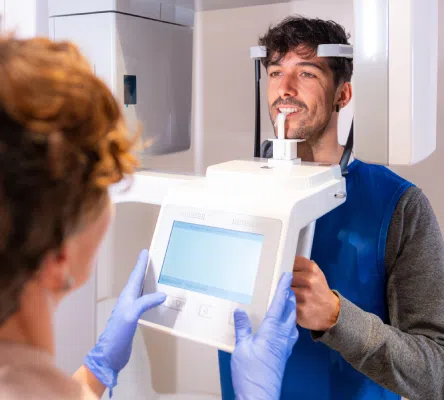
TMJ Treatment and Dental Botox in Coquitlam
Jaw pain, muscle tension, clenching, teeth grinding, or difficulty opening your mouth can have several possible causes. Symptoms may involve the jaw joints, chewing muscles, teeth, or nearby structures, which is why an assessment is important before deciding on treatment.
Coast Dental provides TMJ treatment in Coquitlam based on individual symptoms and examination findings. Depending on the cause, care may include habit changes, a custom night guard, management of contributing dental conditions, referral for additional care, or other conservative approaches. Dental Botox may be considered for selected patients when muscle overactivity contributes to their symptoms.
Botox does not correct every cause of jaw pain or temporomandibular disorders. Treatment begins by identifying which structures may be contributing to the problem.
What Is Temporomandibular Disorder?
The TMJ, or temporomandibular joint, connects the lower jaw to the skull on each side of the face. TMD, or temporomandibular disorder, is a broad term for conditions affecting the temporomandibular joints, chewing muscles, or related structures.
Although “TMJ treatment” is commonly used when searching for care, TMJ refers to the joint itself rather than the disorder. Jaw symptoms can come from the joint, surrounding muscles, or a combination of both.

Common Signs of TMD and Jaw Muscle Problems
Symptoms vary and may include:
- Jaw joint pain or tenderness
- Facial muscle soreness
- Morning jaw stiffness
- Persistent jaw muscle tension
- Pain or difficulty when chewing
- Limited mouth opening
- Jaw locking
- Clicking or popping
- Headaches around the temples
- Discomfort near the ear
- Tooth wear associated with grinding
- Neck or facial tension
- Changes in how the teeth meet
A clicking jaw without pain, locking, or restricted movement does not always require treatment. An evaluation is more important when symptoms persist, interfere with normal jaw function, or are accompanied by significant discomfort.
What Can Contribute to Jaw Pain and TMD?
Jaw symptoms do not have one universal cause. Possible contributing factors include muscle overuse, teeth grinding, jaw clenching, joint inflammation, disc displacement, arthritis, previous injury, stress-related muscle tension, and repetitive habits such as frequent gum chewing.
Bruxism may occur during sleep or while awake. Repeated activity in muscles such as the masseter and temporalis may contribute to soreness or fatigue in some patients.
Dental conditions can also produce symptoms that resemble TMD. For this reason, jaw pain should not automatically be attributed to clenching, grinding, or bite alignment.
How Does a Dentist Evaluate Jaw Pain?
A TMJ assessment begins with a review of your symptoms, medical and dental history, and relevant habits. The dentist may ask about clenching, grinding, sleep, previous injuries, and when the discomfort occurs.
The examination may include measuring jaw opening and movement, checking the jaw joints and chewing muscles for tenderness, listening or feeling for joint sounds, and looking for tooth wear, fractures, or damaged restorations. The bite may also be assessed when relevant, and dental imaging may be recommended if additional information is needed.
Some complex joint problems or persistent facial pain may require referral to an orofacial pain provider, physician, physiotherapist, or another appropriate specialist.
Non-Surgical TMJ Treatment Options
Treatment depends on the likely source of the symptoms. Conservative care is often considered before or alongside other therapies.
Options may include temporary soft-food modifications during a flare-up, reducing habits that overwork the jaw, jaw exercises, physiotherapy, heat or cold when advised, stress-management strategies, or a custom night guard when appropriate.
Medication may also be recommended by an appropriate healthcare provider, and contributing dental problems may need separate treatment.
A night guard can help protect teeth from grinding-related wear, but it does not necessarily stop bruxism itself. Care should therefore be matched to the underlying problem rather than symptoms alone.
How Dental Botox May Help Muscle-Related Jaw Symptoms
Botulinum toxin type A temporarily reduces muscle activity at the injection site. For selected patients with muscle-related jaw symptoms, treatment may involve targeting chewing muscles such as the masseter or temporalis.
Botox for jaw clenching or bruxism may be considered when excessive muscle activity contributes to pain or tension. Reducing muscle activity may help some patients manage symptoms, but it does not cure bruxism, repair a damaged jaw joint, or treat every form of TMD.
Dental Botox may form one part of a broader plan. A night guard, physiotherapy, habit modification, or other treatment may still be appropriate.
Who May Be Considered for Dental Botox?
Following an examination, botulinum toxin treatment may be considered for certain adults with persistent muscle-related jaw pain, significant clenching, bruxism-associated muscle tension, or enlarged and overactive masseter muscles.
It is not appropriate for every headache, joint disorder, or case of teeth grinding. Medical history, medications, previous reactions to botulinum toxin, and other health factors must be reviewed before treatment.
What to Expect During Dental Botox Treatment
If dental Botox services are considered appropriate, the treatment plan is based on the muscles involved and the findings from your assessment. Injection sites and the amount used vary by patient.
The product is administered into selected muscles using a fine needle. Mild injection-site discomfort can occur. Your provider will explain what to expect afterward, any temporary activity restrictions, and when to schedule follow-up.
The effects are temporary and develop gradually rather than immediately. How long they last varies from individual to individual. Repeat treatment, when appropriate, should follow reassessment rather than being assumed on a fixed schedule.
Risks and Medical Screening
Botulinum toxin is a prescription medication, so medical screening and informed consent are important before treatment. Tell your provider about any medications, previous botulinum toxin treatments or reactions, infections near the proposed injection site, and any relevant medical conditions. Pregnancy or breastfeeding should also be discussed before treatment.
Possible effects can include injection-site discomfort, bruising, swelling, headache, temporary chewing weakness, facial asymmetry, changes in smile movement, dry mouth, or unintended weakness in nearby muscles.
Rare but potentially serious effects can include difficulty swallowing, speaking, or breathing. Seek urgent medical attention if these symptoms occur after treatment.
Before treatment, your provider should explain the product being used, the expected benefits and limitations, relevant risks, alternatives, and whether the proposed use is outside the product's authorized indication.
Schedule an Evaluation for TMJ Treatment in Coquitlam
Persistent jaw pain, clenching, grinding, facial muscle soreness, or limited mouth opening can have different causes. An examination can help identify the structures involved and determine which treatment options may be appropriate.
Call (604) 942-6282 or complete the appointment form to request an evaluation and discuss TMJ treatment in Coquitlam.